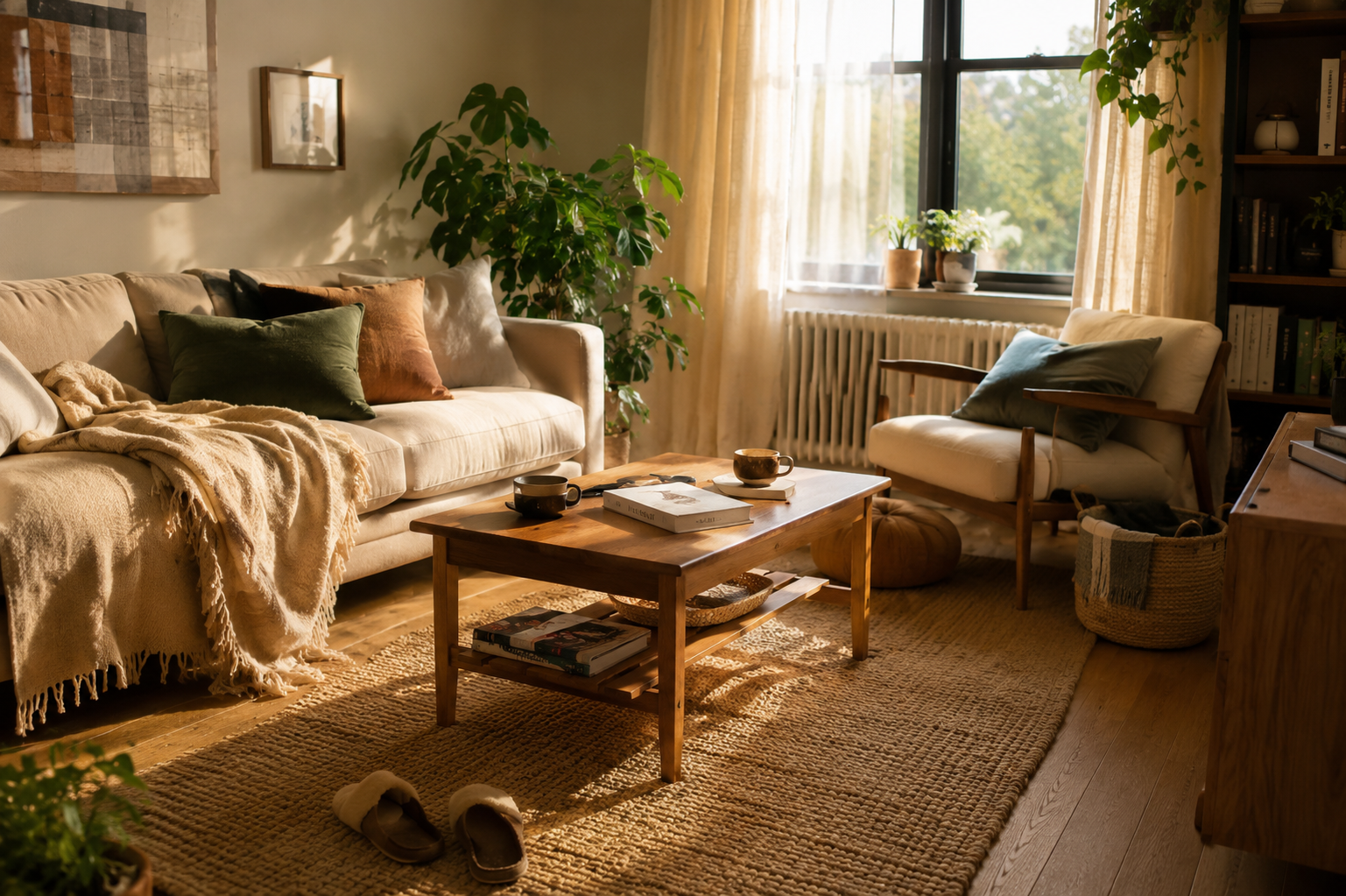
10 Home Décor Problems Almost Everyone Has (And What Actually Fixed Mine)
Disclosure: this post contains affiliate links. If you buy something through one, I may earn a small commission at no extra cost to you.
I've moved four times in six years. Two rentals, one shoebox studio, and finally a place I'm allowed to put nails in the walls. Every single time, I made the same mistakes, and every single time I swore I'd learned my lesson.
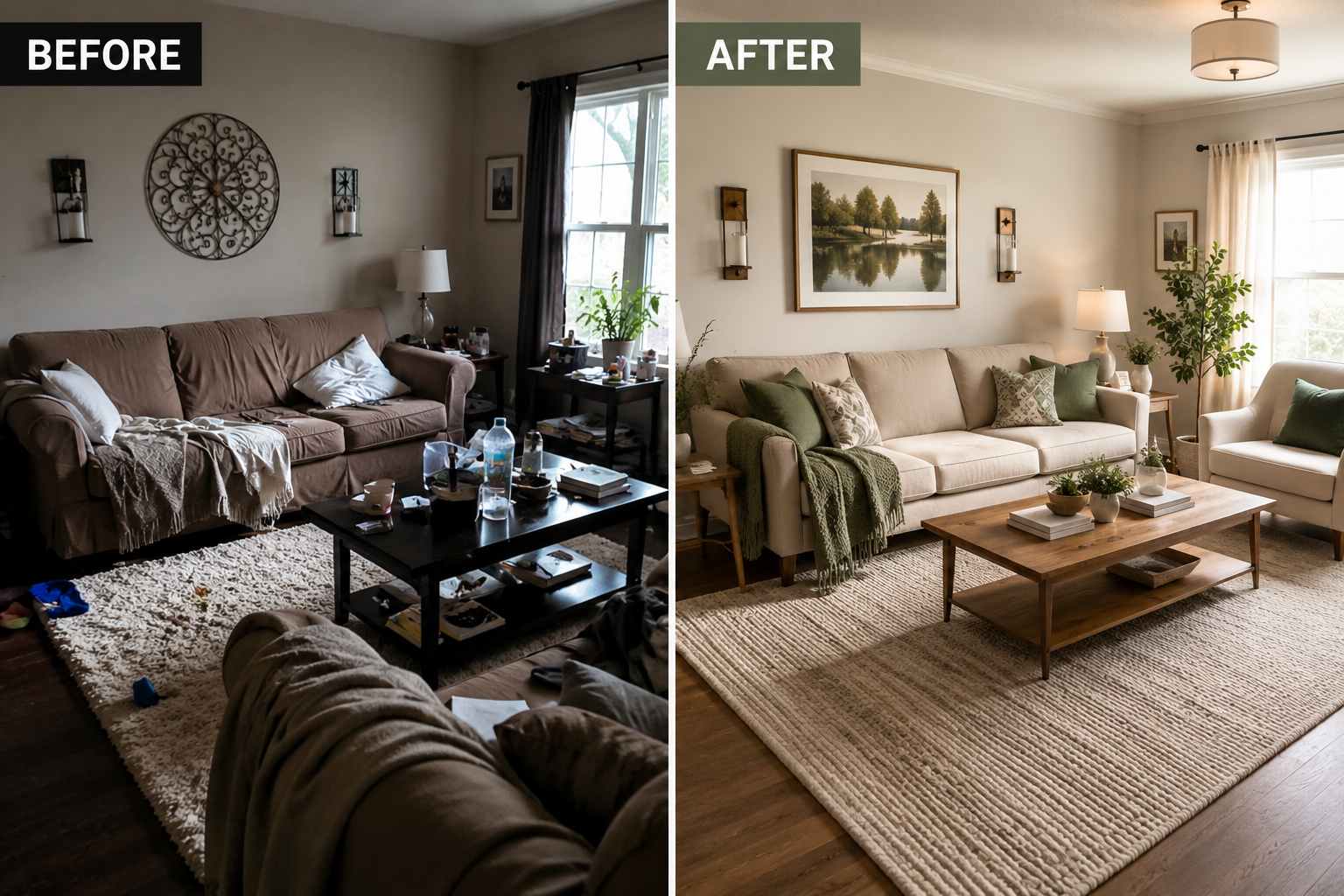
Here's what I've figured out: most décor problems aren't taste problems. They're logic problems. The room isn't ugly something in it is fighting something else, and until you find out what, no amount of new cushions will save you.
So this isn't a shopping list. It's the ten things that were actually wrong in my homes, and what I did about them. Some of the fixes cost nothing. One of them cost me a rug I still resent. If you're working with a particularly tight footprint Small Space Décor: The Complete Guide, a few of these will matter more than the rest.
1. The room feels cramped, but you can't say why
My first studio was 380 square feet, and I filled it like I was still living in a three-bedroom. Big overstuffed sofa. Chunky coffee table with a solid base. Bookshelf pushed against the only wall with good light.
The thing nobody tells you is that visual weight matters more than actual square footage. A sofa on thin exposed legs shows you the floor underneath, and your brain reads that floor as space. A sofa that sits flat on the ground reads as a wall.
So: legs on everything, if you can. Glass or acrylic where it makes sense. Nesting tables instead of one big block. And keep at least one clear walking path from the door to the window the moment you have to turn sideways to cross a room, that room is officially small forever.
Mirrors help too, but be a little careful with them. A mirror facing a blank wall just doubles a blank wall. Put it where it can catch a window or a lamp.
What I'd tell a friend: pick two or three colours and stop. Six colours in a small room is chaos, and chaos takes up space.
2. Your lighting is doing all the damage
For about a year I lived under one ceiling light. One. A cold, flat, 6500K disc that made my perfectly nice green sofa look grey and slightly damp.
Overhead-only lighting flattens everything. It kills shadow, and shadow is what gives a room depth. The fix is boring and it works: three light sources per room, at different heights. Something overhead, something at eye level (a table lamp, a sconce), and something low or ambient (a floor lamp in a corner, a small lamp on a shelf).
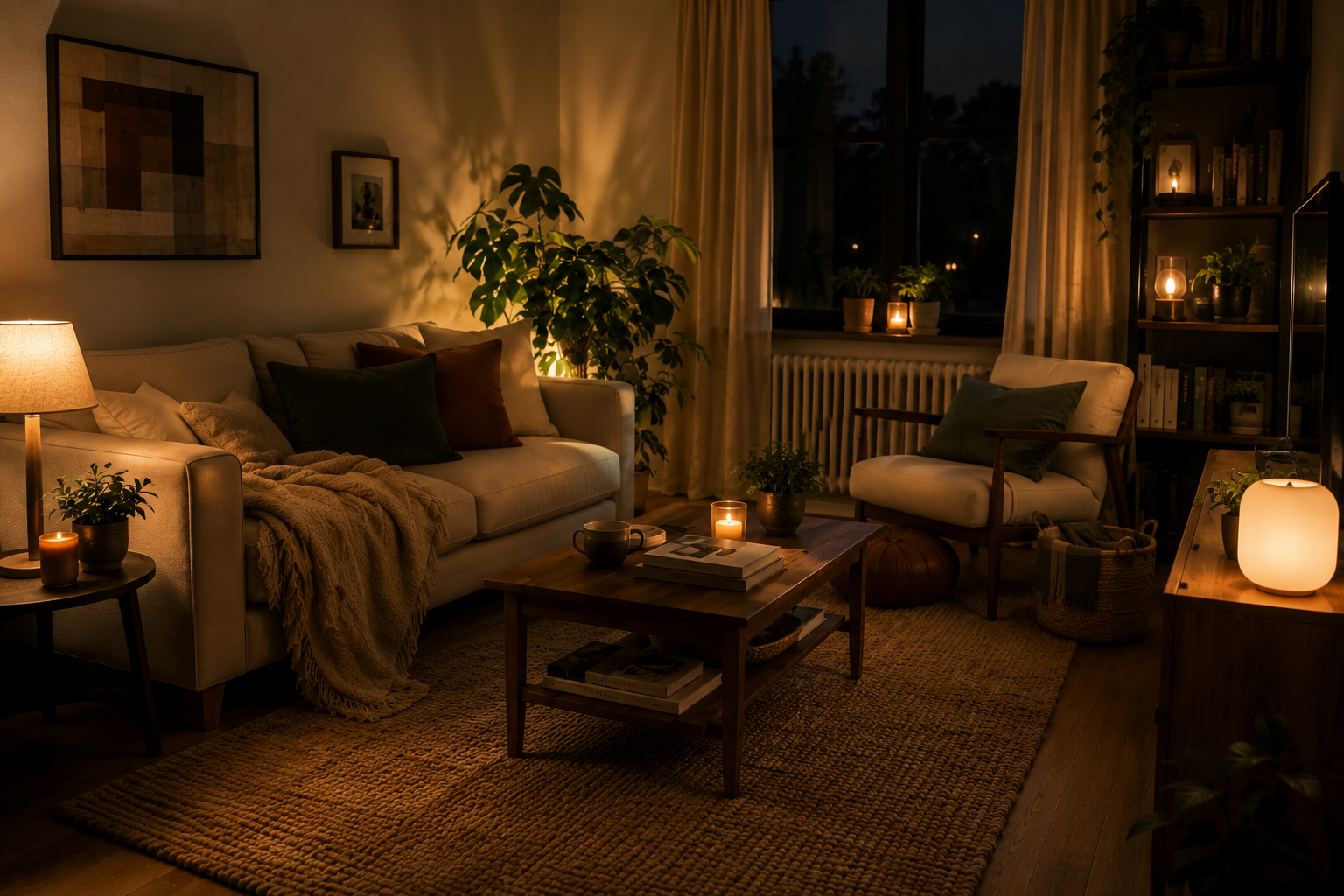
Bulb temperature matters more than the fixture, honestly. Warm white around 2700K → a lighting manufacturer's colour temperature chart for living rooms and bedrooms. Save the cooler stuff for the kitchen and wherever you actually work.
And if you buy nothing else: dimmers. A $9.99 dimmable warm-white bulb changed my evenings more than a $200 lamp did.
3. Too much stuff (the boring truth)
I don't love writing about decluttering because it sounds preachy, and because I'm not particularly good at it. But it's real. Clutter isn't just untidy it makes your good pieces invisible. If every surface has something on it, nothing on any surface stands out.
What helped me wasn't a big purge weekend. Those never stick I've written more about why the big-purge approach fails How to Declutter When Big Purges Never Stick. It was giving the annoying stuff a home: a lidded basket by the door for keys, chargers, sunglasses, and whatever else migrates there. A drawer that's officially allowed to be messy so the visible parts don't have to be.
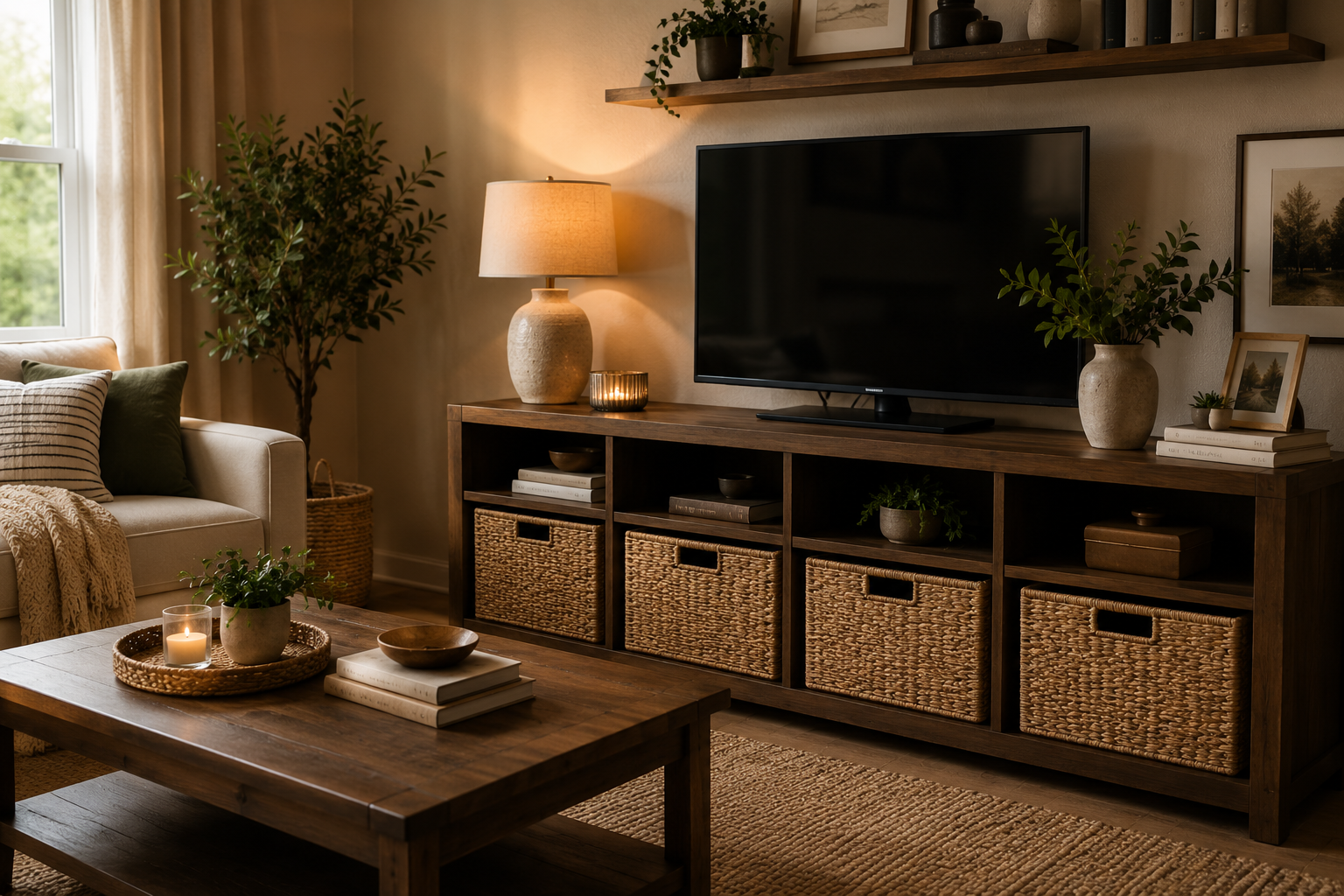
Floating shelves are useful here, but I'll be honest shelves become clutter magnets in about three weeks unless you're disciplined about them.
The rule that actually stuck: something comes in, something goes out. Not always the same category. Just the same number.
4. Blank walls that never stop looking blank
An empty wall isn't neutral. It reads as unfinished, like the room is still waiting for someone to move in properly.
The mistake I made for years was buying art too small. One 12x16 frame floating in the middle of a big wall looks like a stamp. Either go large one big piece, bigger than feels sensible or go grouped, with several frames treated as a single block.
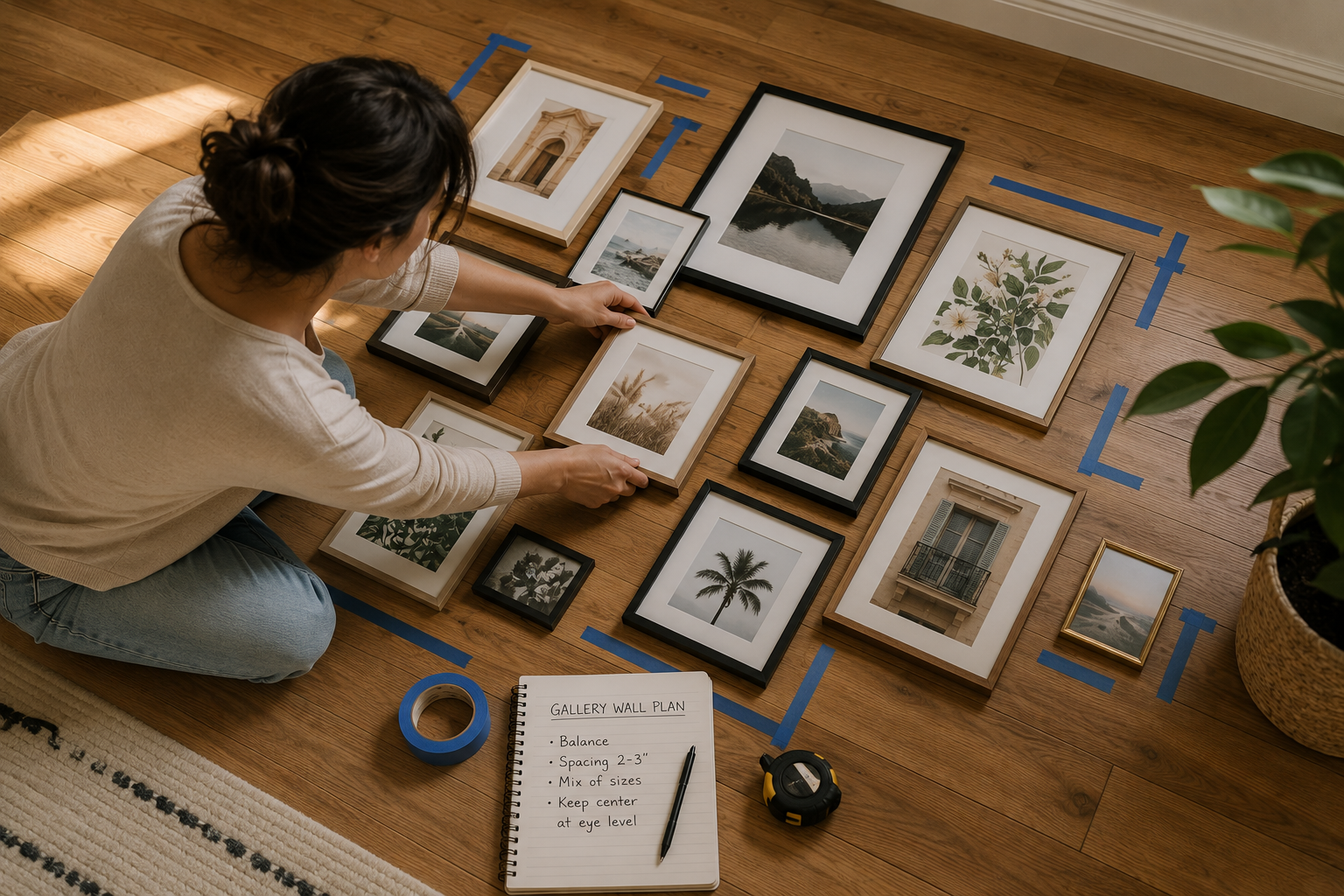
Gallery walls sound intimidating but the trick is easy: lay everything out on the floor first, shuffle it until it looks right, then photograph it before you hang anything. Trust me on the photograph.
Height: centre of the artwork at roughly 145–150 cm (57–59 inches) from the floor. Most people hang art too high. Museums have known this for a century and the rest of us keep ignoring it.
5. The furniture doesn't match and matching isn't the fix
Here's where I disagree with a lot of décor advice. You don't need matching furniture. Matching sets look like showrooms, and showrooms look like nobody lives there.
What you need is repetition. One wood tone that shows up three or four times across the room. One metal finish, used consistently. One or two colours that reappear in the cushions, a throw, maybe a book spine or a plant pot.
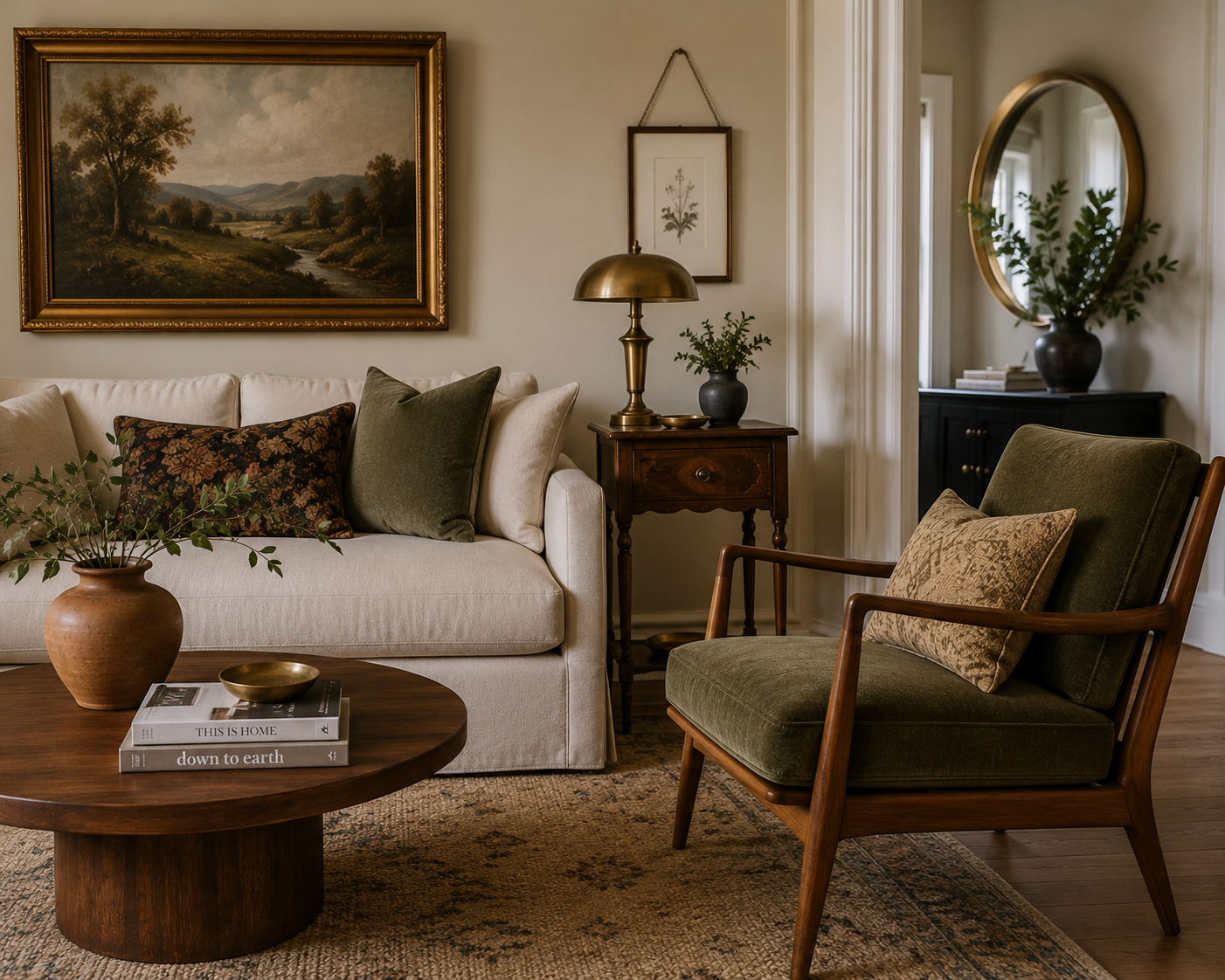
My living room has a mid-century armchair, a very plain modern sofa, and a side table that belonged to my grandmother. Nothing matches. But the wood tones are all warm, the metal is all brass, and there's rust-orange in three places. It reads as intentional. There's a longer breakdown of how to combine old and new pieces: Mixing Old and New Furniture Without It Looking Confused if that's your situation.
The 60-30-10 rule (60% dominant colour, 30% secondary, 10% accent) is a decent starting point if you're stuck. It's a training wheel, not a law.
6. Nowhere to put anything
Storage is the thing renters get punished for most, since you can't build anything in.
Go vertical. The strip of wall above door height is almost always wasted. So is the space under the bed, and the back of a wardrobe door. Beds with drawers, a storage ottoman that also works as a coffee table with a tray on top, a bench in the hallway that opens.
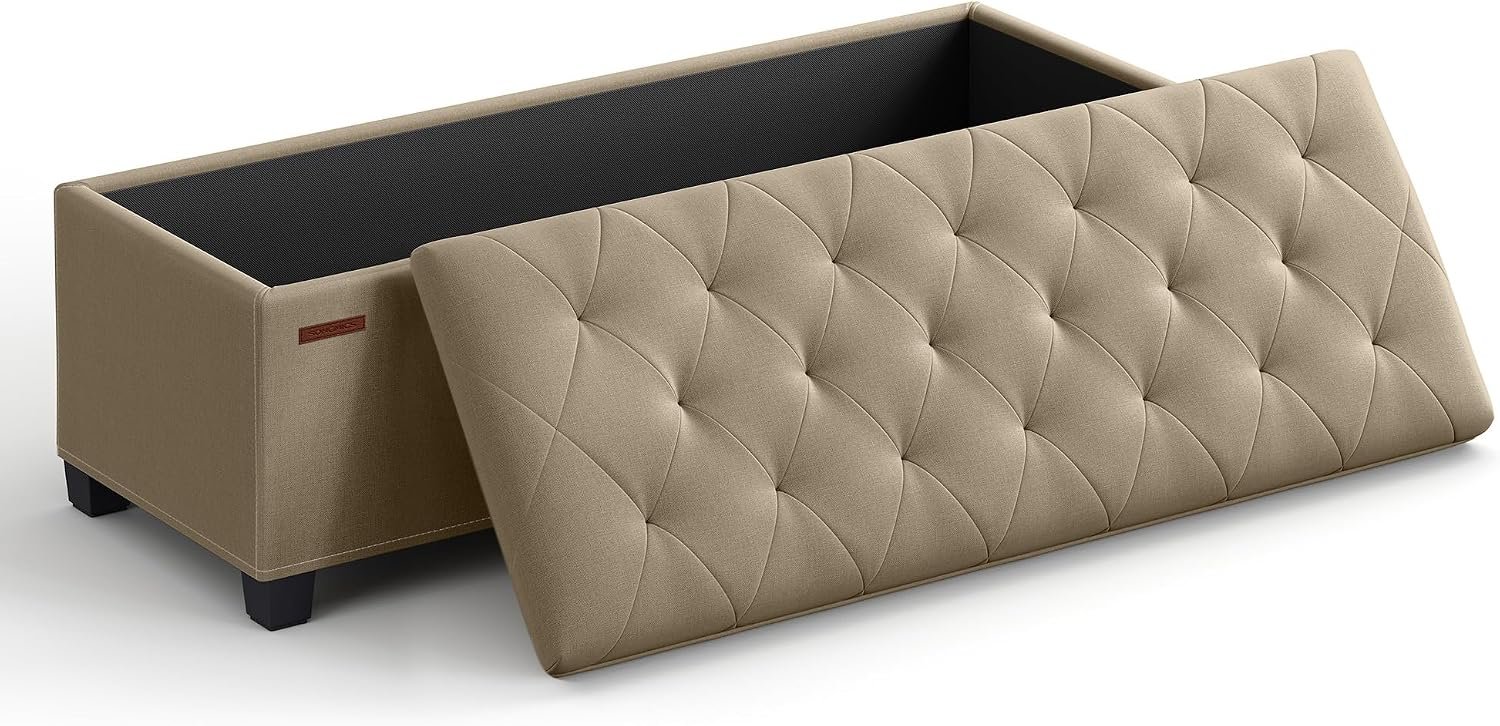
The one warning: hidden storage becomes a black hole. Everything I put in my ottoman in 2024 is still in there. Whatever you buy, open it every few months or it just becomes a nicely upholstered box of forgotten things.
7. The room is clean and organised and still feels cold
This one confused me the longest. My flat was tidy. The furniture worked. It still felt like a waiting room.
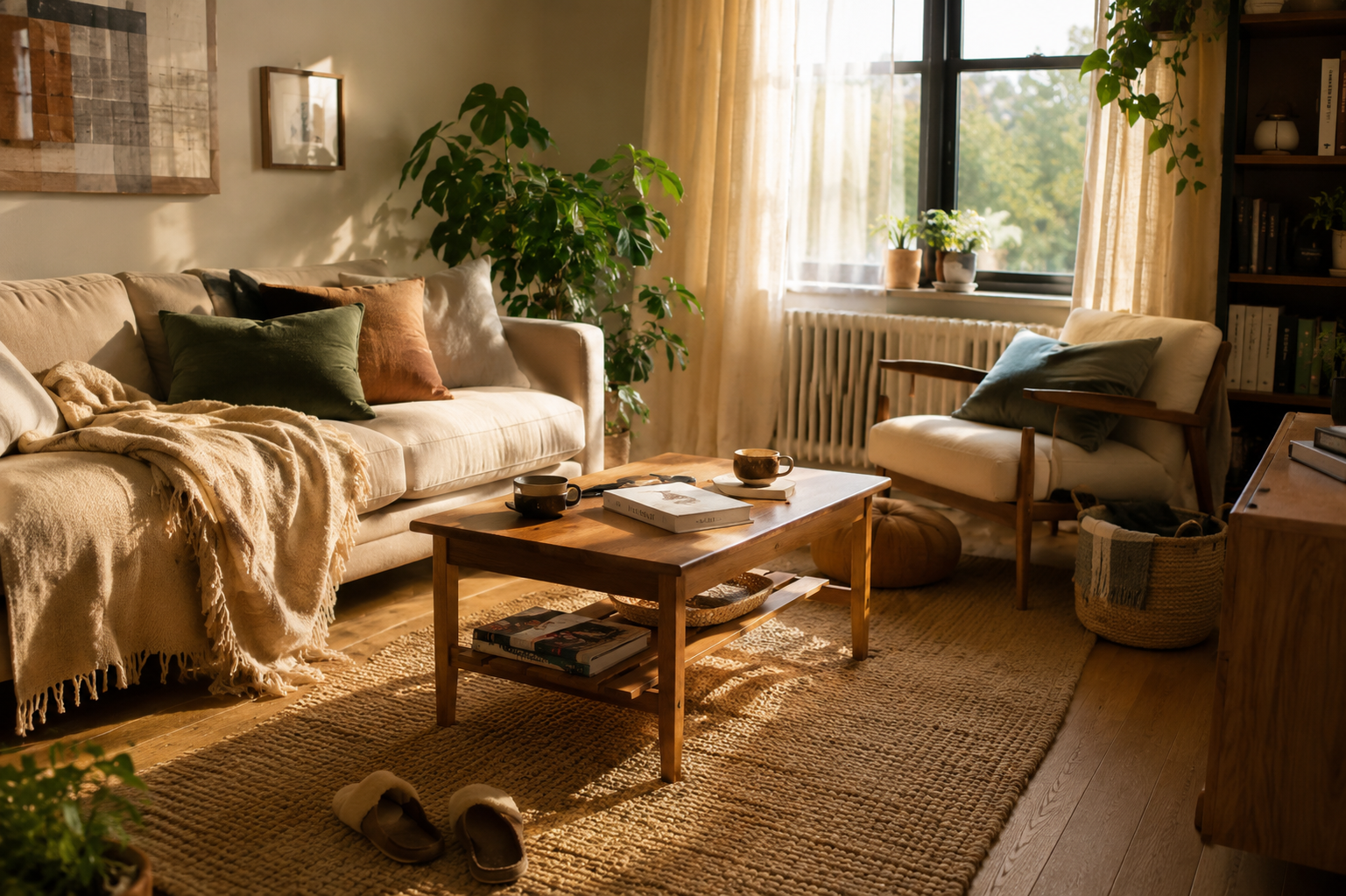
The missing thing was texture. Hard, flat surfaces painted walls, laminate floor, a smooth sofa, glass bounce sound and reflect light and give your eye nothing to hold onto. Warmth comes from things that absorb: a wool rug, a chunky knit throw, linen curtains that reach the floor, a jute basket, a plant with actual mass to it.
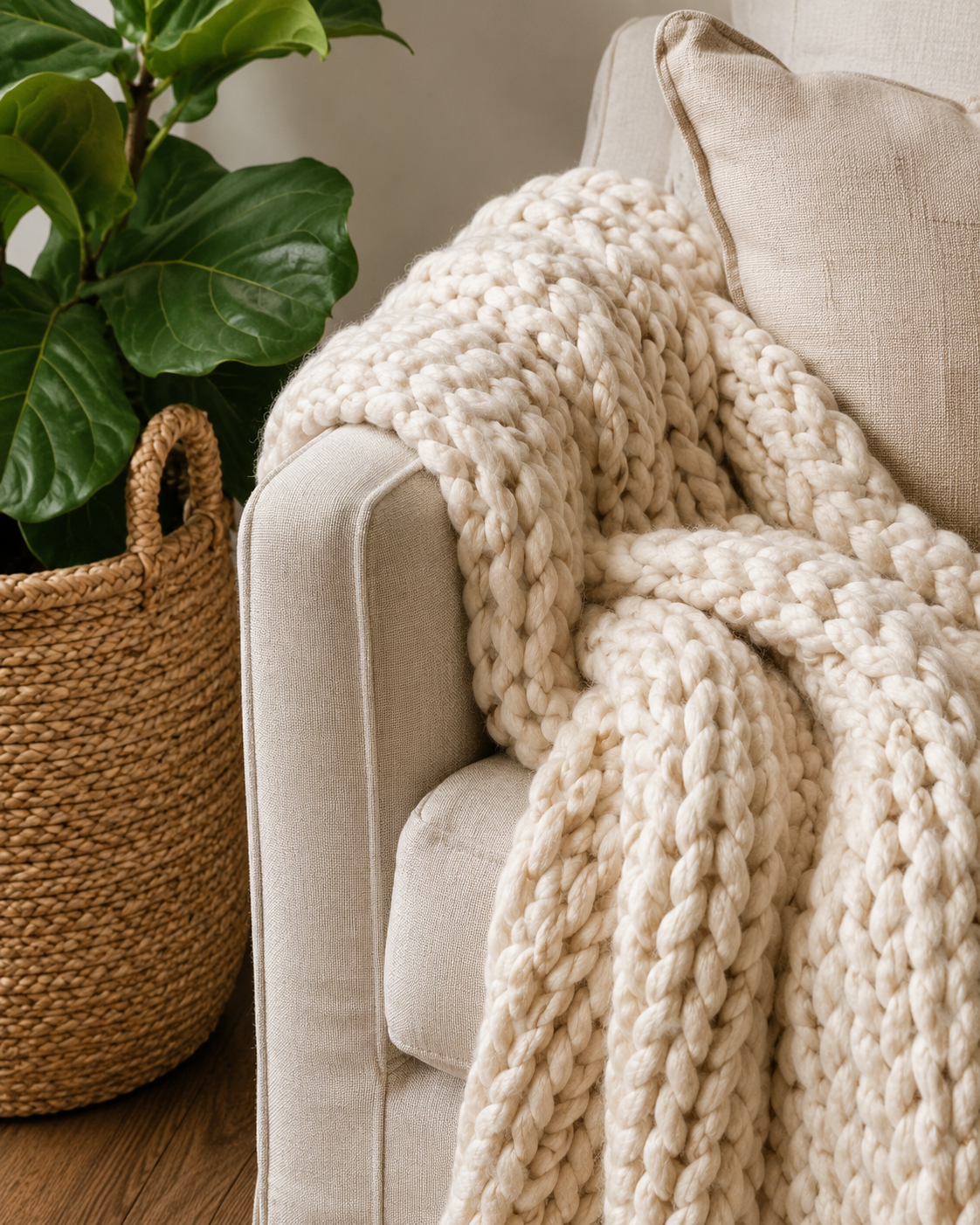
Curtains especially. Hang them high and wide, wider than the window frame, and let them touch the floor. It's the single change that made my rental stop feeling like a rental.
8. Decorating when you genuinely don't have money
Most "budget décor" articles suggest a $900 sofa and call it affordable. So let me be specific about what free or nearly-free actually changed things for me:
- Rearranging the furniture. Costs nothing, took an afternoon, biggest single improvement I ever made.
- Painting one piece of old furniture. A tin of paint and a Sunday.
- Swapping cushion covers instead of cushions. Covers are a fraction of the price and you can store the old ones flat.
- Cuttings from friends' plants. My pothos is descended from a colleague's desk plant.
- Moving lamps to different corners of the room to see where the light lands best.
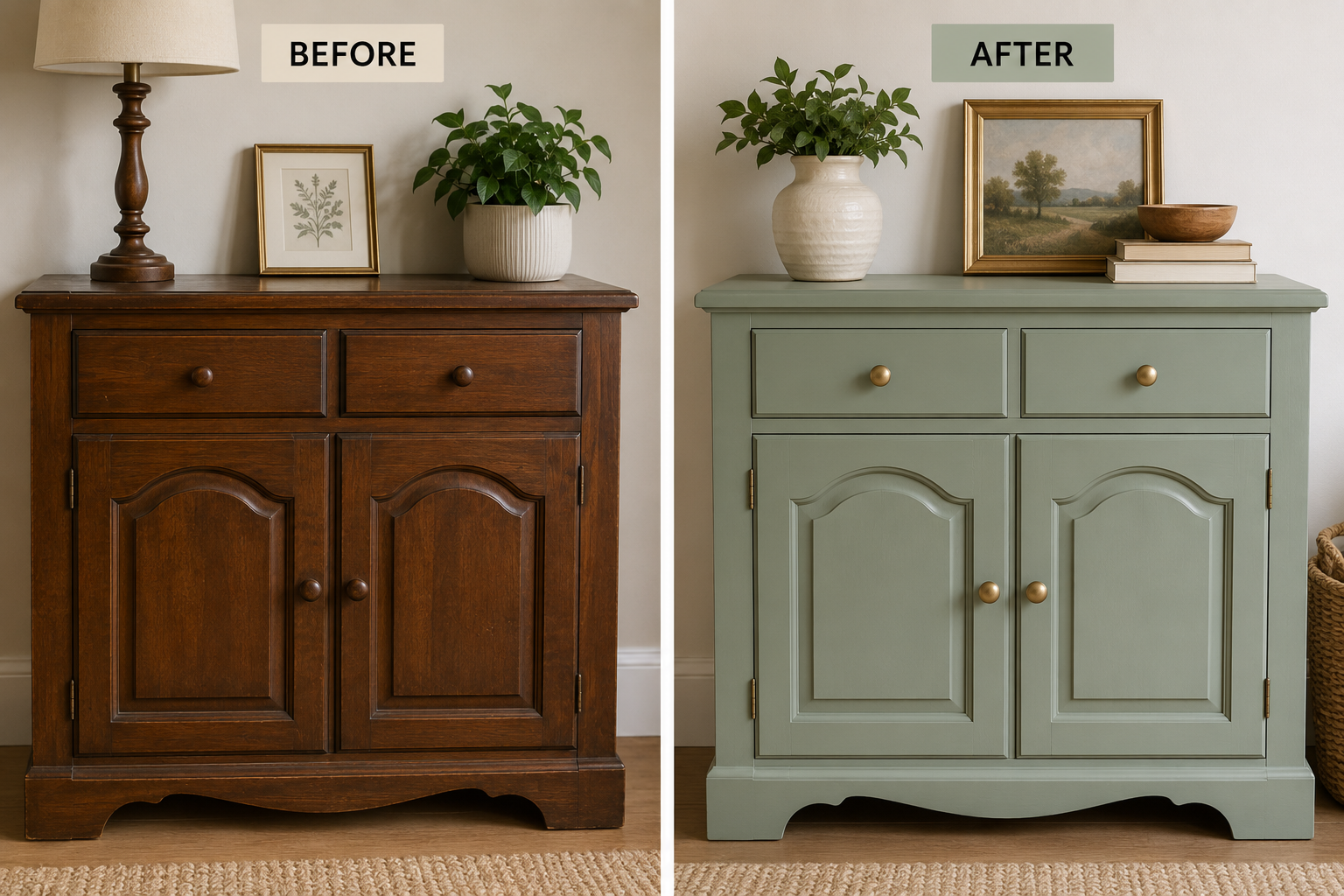
If you do have some money put it into one thing you'll touch every day. A good mattress, a proper armchair, a rug that isn't scratchy. Not a decorative object.
9. The rug problem (my expensive lesson)
I bought a 4x6 rug for a room that needed an 8x10. It sat in the middle of the floor like a bath mat that had wandered in. I lived with it for two years because I couldn't bear to admit the mistake.
The guideline: at minimum, the front legs of your sofa and chairs should sit on the rug. Better still, all the legs. A rug that touches your furniture unifies the seating area. A rug that floats in the middle chops the room into pieces. 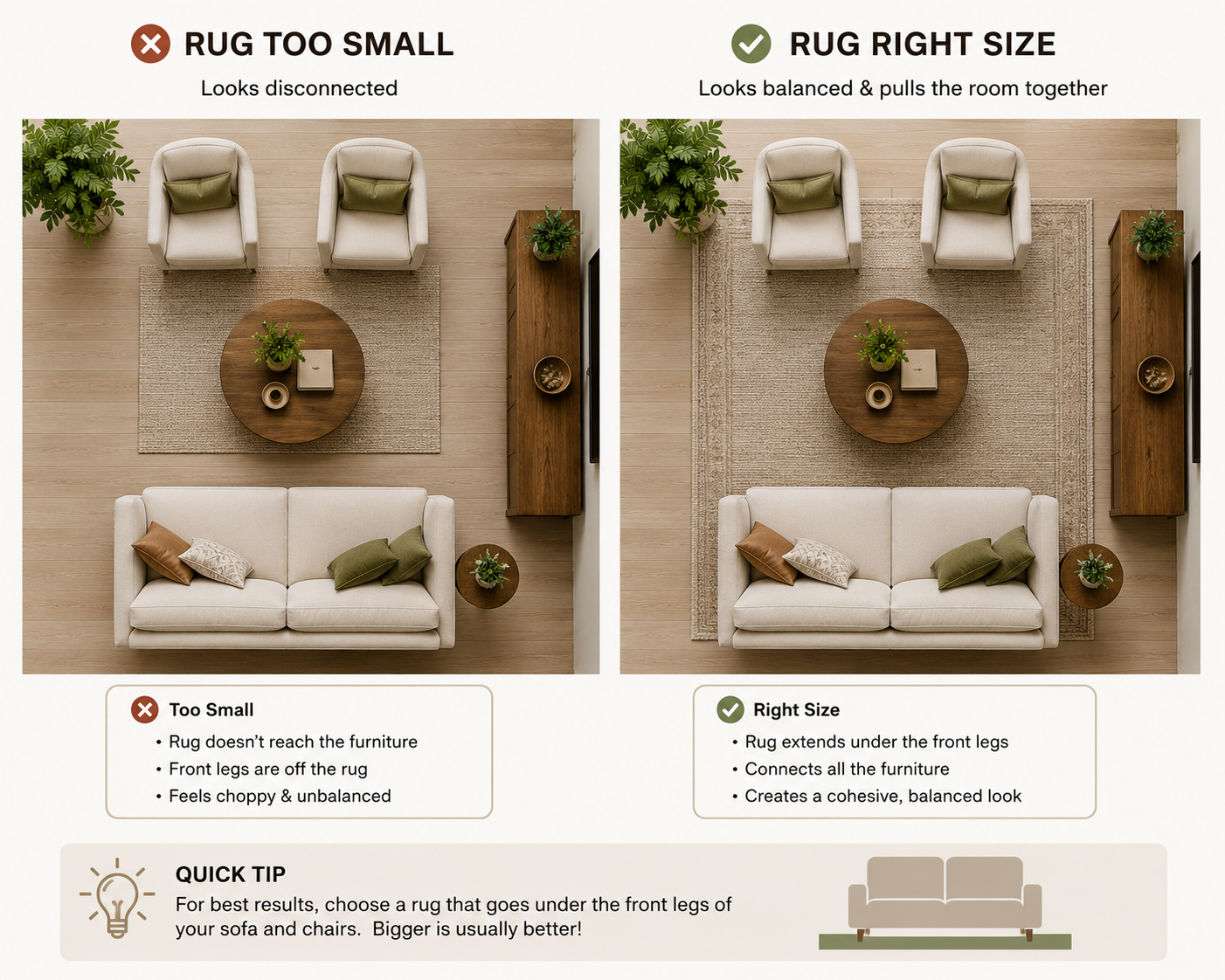
When in doubt, go one size bigger than you think. Almost nobody has ever regretted a rug being too big. The full sizing breakdown by room Rug Sizing: The One Guide You Actually Need covers dining rooms and bedrooms too, which have different rules.
Tape the dimensions out on your floor with masking tape before ordering. Ten minutes, saves a lot of money.
10. Chasing trends instead of figuring out what you like
Every year there's a new thing. Boucle. Arches. Terrazzo. Whatever comes next. I've bought into several of them and I can tell you the trend pieces are always the first ones I get sick of.
The approach that works: keep the expensive, hard-to-replace things quiet. Sofa, bed, dining table, flooring neutral, simple, timeless. Then let the cheap and easy stuff be adventurous. Cushions, art prints, a bold vase, a painted accent wall you can repaint in a weekend.
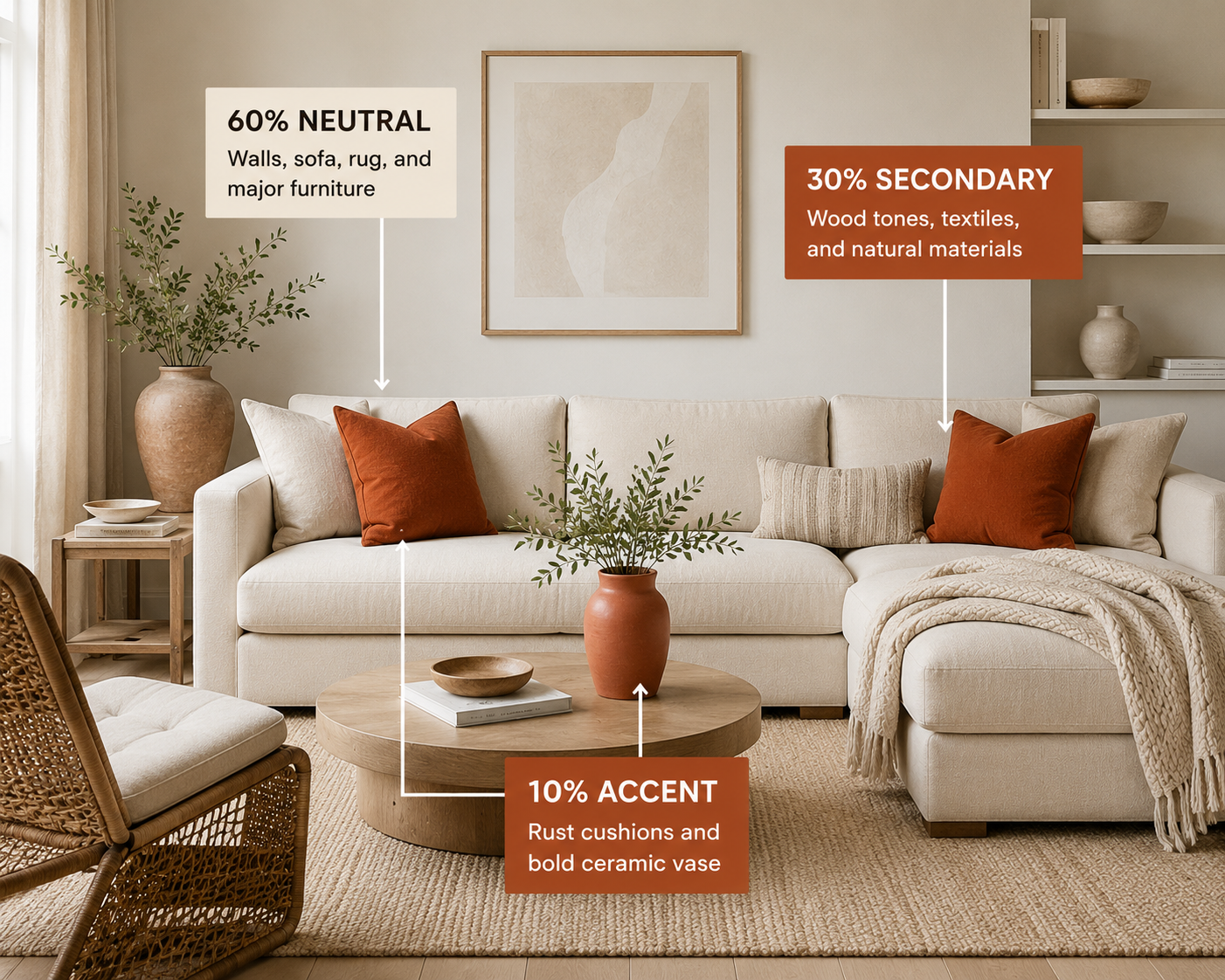
That way, when you inevitably fall out of love with something, it costs you a cushion cover and not a sofa.
And really decorate for how you actually live. If you eat dinner on the sofa, buy a coffee table that survives dinner. If you have a cat, don't buy the linen. Your real life beats any mood board.
The short version
Nice homes aren't built in a weekend, and the ones that look effortless usually took years of small corrections. Fix the lighting first it's the cheapest, fastest improvement available to anyone. Then deal with whatever is making the room feel crowded. Then add texture. Then, and only then, worry about what to hang on the walls.
Do one thing a month and by next year you'll walk in the door and actually feel something.
Questions people ask me
What's the most common décor mistake you see?
Buying furniture that's too big for the room, closely followed by hanging art too high. Both are easy to avoid and painful to undo.
Can I really decorate on a small budget?
Yes, though you'll spend time instead of money. Rearranging, repainting, changing cushion covers, adding plants, and improving lighting will get you most of the way there for very little. I've broken down what I actually spent, line by line → Decorating on a Genuinely Small Budget if you want real numbers.
Which colours make a room look bigger?
Light, low-contrast shades soft white, cream, warm beige, pale grey. What matters as much as the colour is keeping the walls, ceiling and floor close in tone. Sharp contrast between them shows you exactly where the edges are.
How often should I change my décor?
Small seasonal tweaks are plenty. Cushions, throws, maybe swap a print. Replace furniture when it stops working, not when it stops trending.
How do I make a room look more expensive than it is?
Floor-length curtains hung high, a rug that's big enough, warm layered lighting, and restraint. Fewer, larger objects always read as more expensive than lots of small ones.
Affiliate Disclosure
Some links in this post are affiliate links. If you buy something through one, GlamNestStudio may earn a small commission — it doesn't cost you anything extra. I only link to things I'd suggest to a friend, and I've used or genuinely researched everything mentioned here. It's what keeps the guides on this site free.
Before you go
If you're mid-project and stuck on one particular room, have a look through the rest of the décor guides on GlamNestStudio there's a good chance I've made the same mistake and written about it.