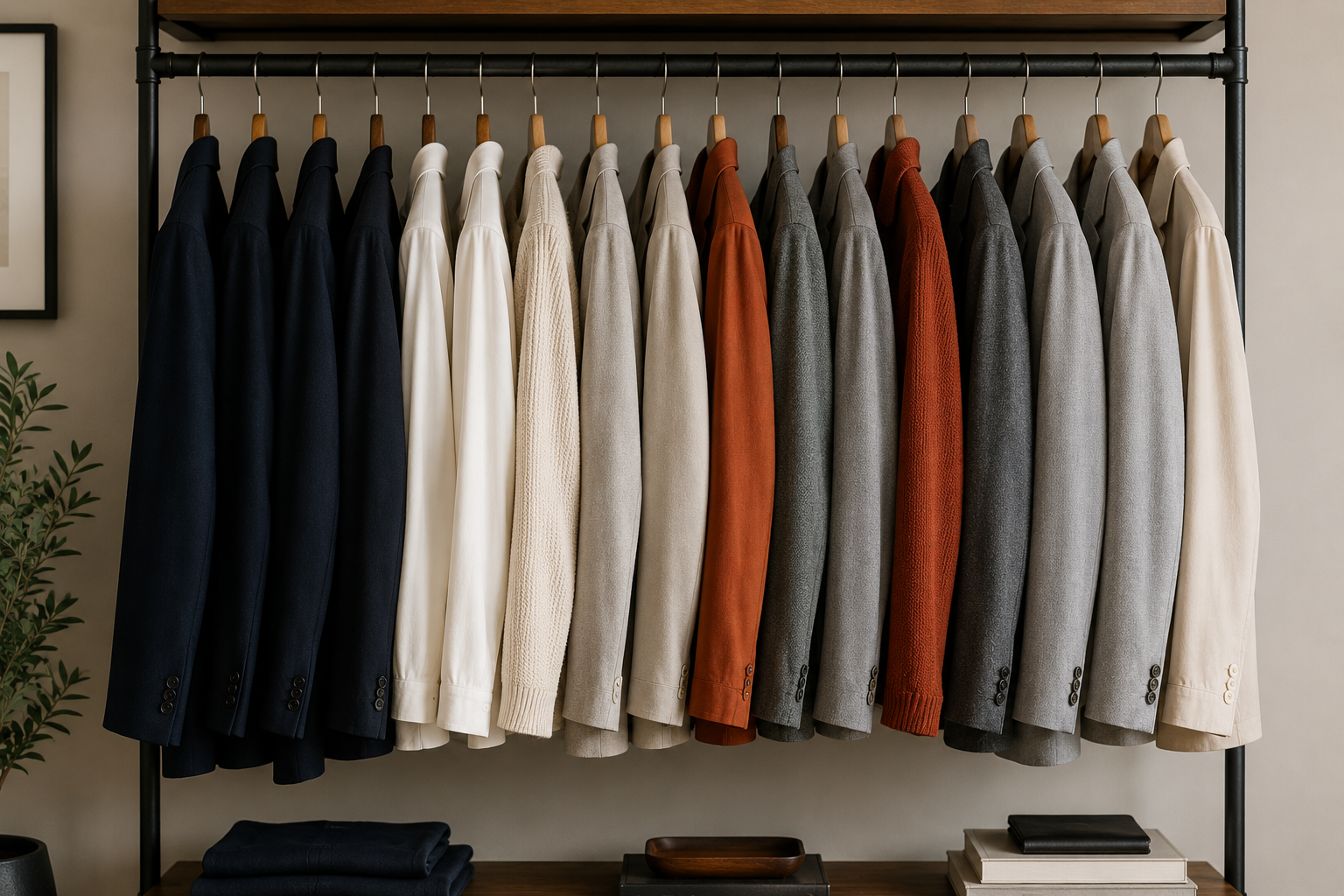
A Capsule Wardrobe That Isn't All Beige
Disclosure: this post contains affiliate links. If you buy something through one, I may earn a small commission at no extra cost to you.
I built a proper capsule wardrobe once. Thirty-something pieces, all in beige, cream, oatmeal and one careful gray. It looked beautiful hanging up.
I wore about eight of those pieces. The rest hung there in perfect coordinated silence for a year and a half.
The failure wasn't the capsule idea. It was that I'd built it around a color story I'd seen online instead of around the clothes I actually reach for on a Tuesday morning. Every piece went with every other piece, and I didn't want to wear any of them.
Here's how I'd do it now.
Why the beige version keeps failing
The all-neutral capsule is popular because it photographs beautifully and because it makes the math easy if everything is the same three tones, everything matches everything.
But "everything matches" is a low bar, and it's not actually what makes an outfit work. What makes an outfit work is repetition one or two things echoing across the look → Why Your Clothes Fit But Don't Look Right, not the absence of contrast.
Three problems with the all-beige approach:
It's boring to get dressed in. If every combination produces the same result, choosing stops mattering, and a wardrobe you don't enjoy choosing from is one you stop using.
Neutrals are unforgiving on fit and fabric. With no color doing any work, everything rests on cut and quality. A cream sweater in a mediocre fabric looks cheap in a way a rust one doesn't.
It's usually somebody else's palette. The specific beige-and-cream look is a trend with a clear origin point. Building a permanent wardrobe on it is the clothes version of decorating your whole home around whatever's trending → 10 Common Home Decor Problems expensive, and dated faster than you'd think.
Start with what you actually wear
Before buying anything, look at what's already working.
The reversed hanger trick: turn every hanger in your closet backward. When you wear something and put it back, hang it the normal way. After two months you can see exactly what you wear and what you don't, with no guessing and no purge.
Then look at the pieces you reach for most and ask what they have in common. Not the brand the properties. Is it the fabric weight? The neckline? The fact that they don't need ironing? That everything you actually wear has pockets?
This is the most useful hour in the whole process, and almost nobody does it. People build capsules from lists they found online, which describe someone else's life.
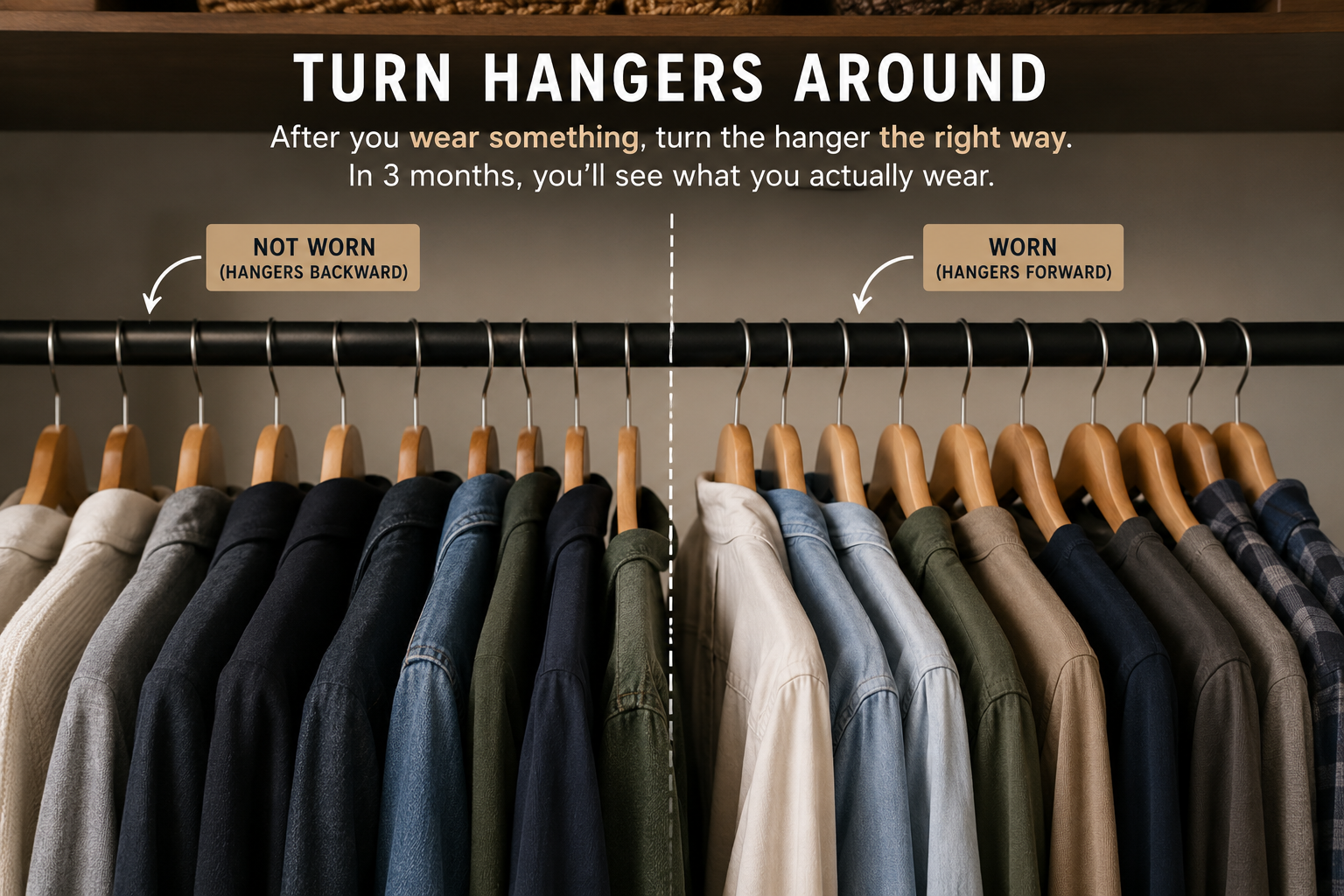
Full method in the closet audit guide → How to Audit Your Closet Without a Weekend Purge — it's the step that should come before any of this.
The color formula
Here's the structure that works, and it's the same one that works in rooms.
Two neutrals. One dark, one light. Navy and cream. Black and gray. Brown and oatmeal. These are your foundation pants, outerwear, the pieces you own most of.
One or two accent colors. Things you actually like wearing. Not a color that "goes with everything" a color you're pleased to put on.
One wildcard. A single piece that doesn't follow the rules. A pattern, a bright coat, something inherited. Every wardrobe needs one thing that isn't sensible.
The ratio: roughly 70% neutrals, 25% accent, 5% wildcard.
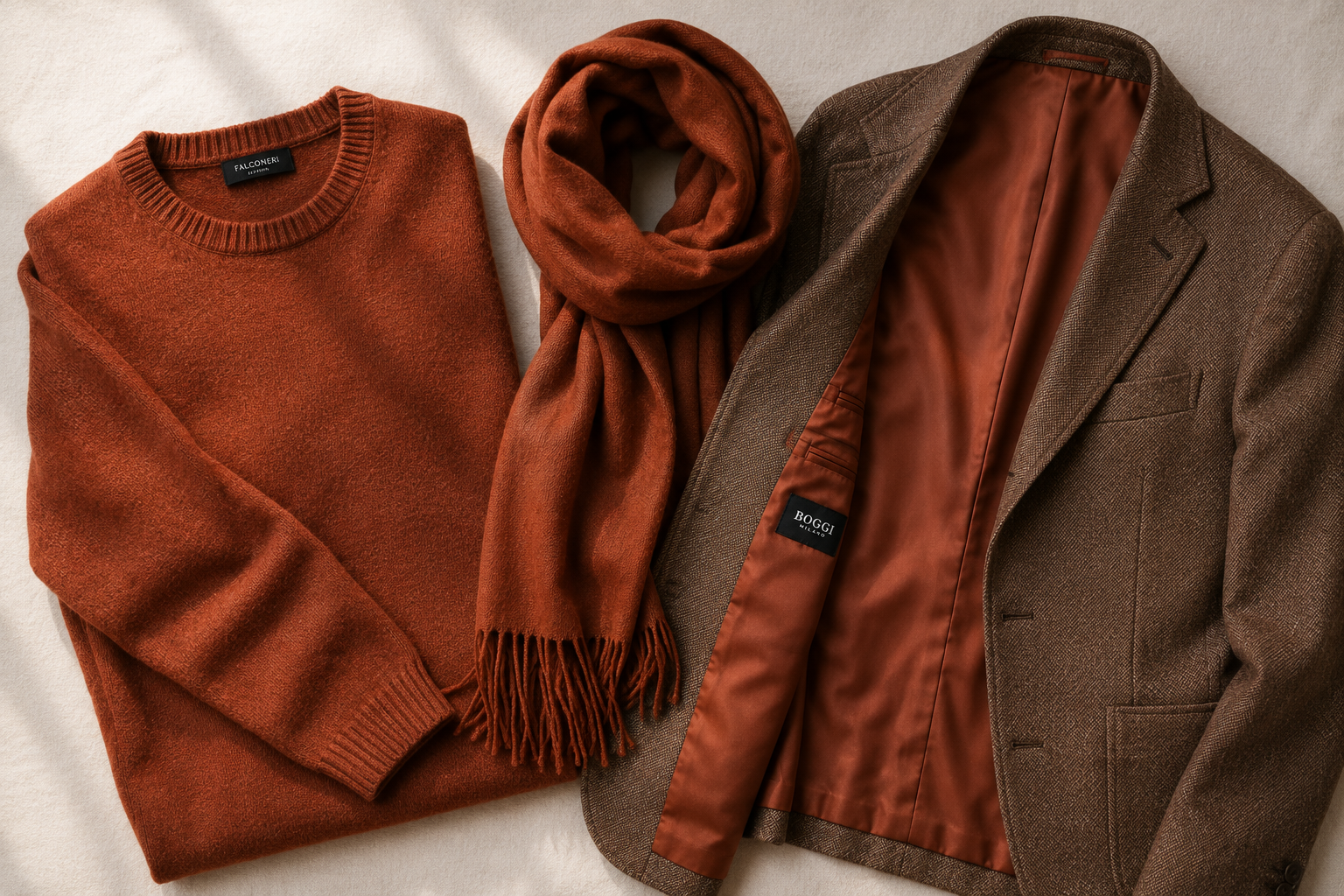
The repetition rule: your accent color should appear at least three times across the wardrobe. Three is the number where a color reads as a decision rather than an accident. Mine is rust it's in a sweater, a scarf, and the lining of a jacket, and it means those three things quietly connect to everything else I own.
This is precisely the principle that makes mismatched furniture look intentional → Does Furniture Have to Match?. Same mechanism, different subject.
How to pick your accent color (properly)
Not by season analysis, not by a quiz.
Look at what you already own and wear. Not what you own what you wear. If three of your most-worn pieces are green, that's your answer and your instincts already made the decision.
Look at what you compliment on other people. You notice what you like.
Try it near your face in daylight. Hold the fabric under your chin by a window, not under store lighting. Store lighting is designed to sell things.
Then commit. Buying one green thing, one blue thing and one burgundy thing gets you three orphans. Buying three green things gets you a wardrobe.
The actual pieces
Numbers vary, but roughly 30 to 40 pieces excluding underwear, workout clothes and outerwear is where most people land.
Rather than a prescriptive list because your list depends on your climate and your job, not mine build it by category:
- Bottoms: 4–6. Mostly neutral. These get worn most and seen least.
- Tops: 10–14. Where most of your color lives. Cheapest to replace, so the safest place to take risks.
- Layers (sweaters, cardigans, overshirts): 5–7. Half neutral, half accent.
- Structured pieces (blazers, jackets): 2–3. Neutral, and the place to spend money — fit matters most on anything with shoulders → Why Your Clothes Fit But Don't Look Right.
- Shoes: 3–5. One smart, one casual, one weather-appropriate.
- The wildcard: 1.
Count backward from your week. How many days do you need work clothes? How many evenings out do you actually have? Build for the life you have, not the one in the photos.
If you work from home four days a week, a capsule with five blazers in it is a fantasy. I'd rather own two blazers and six things I can wear at a desk.
What to buy first
If you're rebuilding, order matters.
- The gaps you notice weekly. The thing you keep not having. That's real information.
- Bottoms in your dark neutral. Highest wear rate, lowest visibility, so quality matters and variety doesn't.
- Layers in your accent color. Most visual impact per dollar.
- The structured piece. Save for it. Buy it right. Get it tailored.
Don't buy the whole thing at once. A capsule assembled in one shopping trip is a set of guesses. Buy slowly, wear things, and let the gaps reveal themselves.
What actually kills capsules
Buying for an imaginary life. The event you might get invited to. The vacation you're planning. Buy for the calendar you have.
Confusing neutral with safe. A beige sweater in scratchy fabric is not a safer purchase than a green one in good fabric. It just looks safer hanging up.
Not accounting for laundry. If you own four tops and do laundry weekly, you're wearing the same thing constantly. Minimalism has a floor, and it's set by your washing machine and by how often things actually need washing → 8 Laundry Mistakes That Are Aging Your Clothes.
Ignoring comfort. Anything that itches, digs, or needs adjusting will not get worn, regardless of how well it fits the color scheme. This is the most common single reason pieces hang unused.
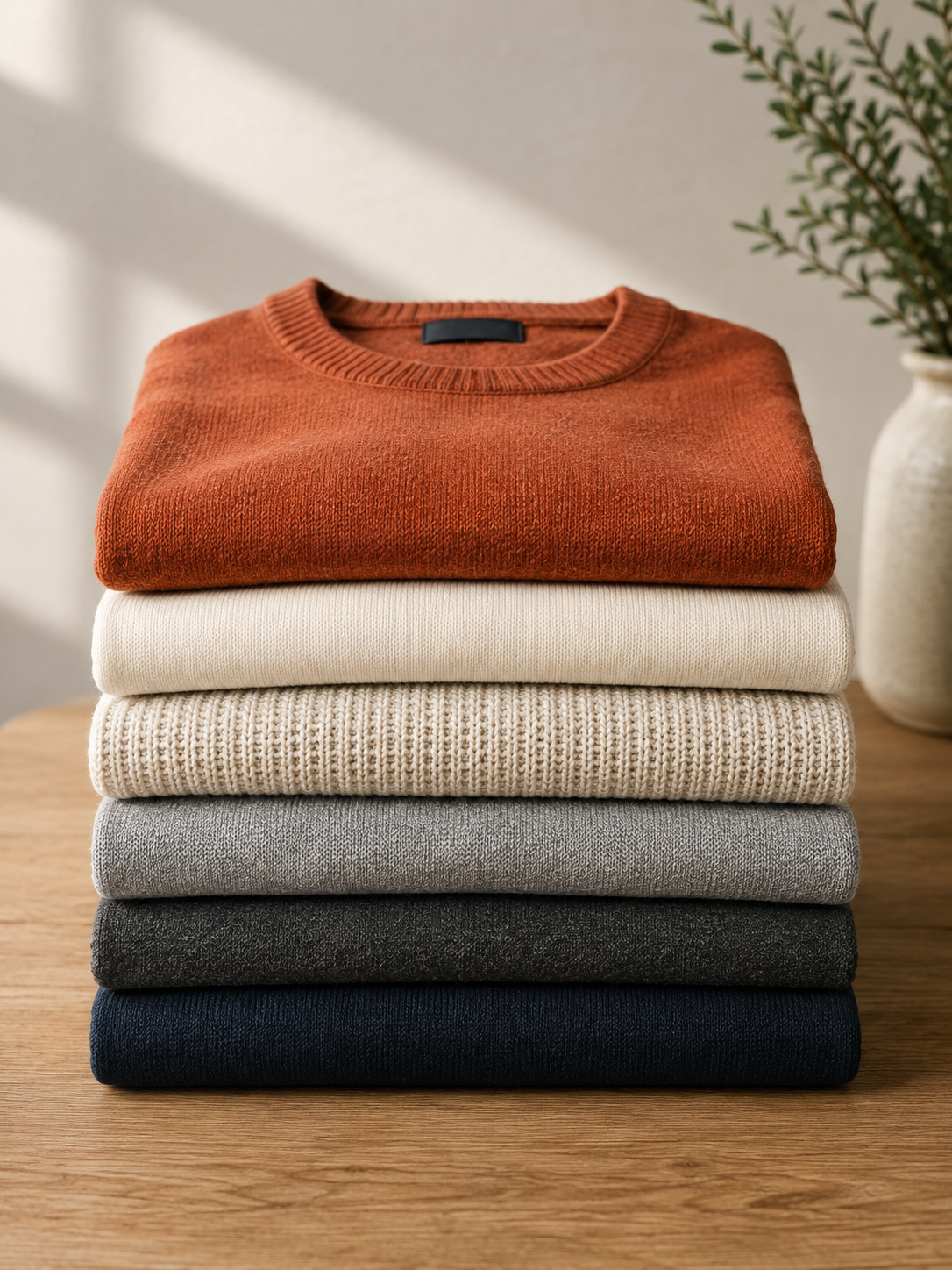
What mine looks like now
Thirty-four pieces. Navy and cream as the base. Rust as the accent, appearing in about six things. One patterned jacket that goes with almost nothing and gets worn constantly anyway.
It photographs less beautifully than the beige version did. I wear roughly all of it, which is the only measure that matters.
The test isn't whether your closet looks good hanging up. It's whether you're pleased to open it on a Tuesday morning.

Affiliate Disclosure
Some links in this post are affiliate links. If you buy something through one, GlamNestStudio may earn a small commission it doesn't cost you anything extra. I only link to things I'd recommend to a friend, and I've used or genuinely researched everything mentioned here. It's what keeps the guides on this site free.
Before you go
More on owning fewer things that actually get used in your closet and your rooms across the guides on GlamNestStudio.